| |
|
|
Osteopathy
Margaret Papoutsis was the Gold Medal Graduate from the British School of Osteopathy in 1968, where she taught clinical subjects for a number of years.
She is registered with the General Osteopathic Council (Registration No:2/959/F).
What is Osteopathy & how did it evolve?
Massage and manipulation have almost certainly been practised since Man started to walk upright in defiance of gravity. Traditionally, manipulative skills were passed down through generations of 'bone setters', and few people outside these dynasties ever developed the required skills.
In the mid 19th century, Andrew Taylor Still lived and worked as a doctor in the American mid-west. His twin interests of medicine and mechanics led him to develop a system of physical therapy which could be codified and taught to others. He named the system osteopathy, and for many years it was used equally as a treatment for both internal ailments and physical problems. The advent of 'modern' medicine inevitably moved the therapeutic emphasis towards musculo-skeletal (muscles and bones) concerns, but recent years have seen a renewal of interest in the area of visceral osteopathy, particularly in the area of digestive problems.
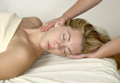
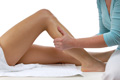
Osteopathy is a 'hands-on' therapy which uses a variety of manual techniques to mobilise, realign and rebalance the body. These include massage, stretching, friction, joint articulation, manipulation amongst others. The osteopathic approach is holistic, addressing the whole person, rather than a specific disorder. It may also include cupping, exercises, diet and lifestyle advice.
The ultimate aim is to bring the body back into a state where healing is optimised and wellness is maintained.
Menu
What can Osteopathy treat?
Osteopathy can have a wide range of influence on the body, but is most recognised for the effective management of problems of spine, muscles and joints.
These include: - Low back pain and sciatica
- Neck pain and tension
- Headaches
- Arthritic and rheumatic aches and pains
- Joint strains
- Sports injuries
- 'Tennis elbow'
- 'Frozen shoulder'
- Foot problems
- Bad posture
- Muscle spasm related to Repetitive Strain Injury (RSI)
Many problems are associated with work or leisure activities, and as such have a tendency to recur. Often great improvements can be obtained and maintained by regular osteopathic treatment. This is particularly relevant in physically stressful occupations, such as:- Dancers
- Singers
- Musicians
- Sports enthusiasts
- Lorry and van drivers
- Builders
- Computer-bound activities
Visceral Osteopathy can help support the treatment of a number of conditions, such as digestive problems.
Menu
What does an initial osteopathic consultation involve?
On your first, longer, visit you will be asked to provide details of your current problem, and any significant medical history. A physical examination will follow, both standing and lying down, which will assess your posture, mobility and muscle strength amongst other things. In most cases this will involve removing your outer clothes. If you have any concerns about undressing for treatment, please discuss this before making your initial appointment.
If necessary, you will be advised if further testing is required, such as x-rays, scans or blood tests.
Once the problem has been identified, Mrs Papoutsis will discuss the most advantageous therapeutic approach. This is usually followed by some initial treatment on the first visit.
Subsequent visits will involve a short initial examination to identify the progress made, leading to a greater focus on treatment.
Menu
What does the treatment involve?
Depending on your own individual problem you may receive a selection of any of the available treatments mentioned above. Typically, a session may start with soft tissue massage, be followed by some joint stretching and/or articulation and then finish with some manipulation to free particularly stiff joints. Some of the manipulative manoeuvres may be accompanied by a slight 'popping' noise from the joints. You may also be offered other supporting therapies such as remedial exercises or cupping.
Menu
Are there any side-effects?
Many patients experience a therapeutic reaction to treatment in the 2 days following a treatment. This is more likely early on in the course, when dramatic changes may be taking place. These are a very positive sign, and are not a cause for concern. Any soreness or discomfort can be alleviated by homoeopathic Arnica tablets, or suitable mild painkiller. Should there be any significant discomfort, please do not hesitate to call the Practice for advice. This said, however, the most common side-effect is an immediate feeling of physical and mental wellbeing!
Menu
How safe is Osteopathy?
Osteopathy is one of the most reliable medical treatments, and has an unmatched record of safety. Yet it must be said that there is no such thing as a guaranteed, totally safe therapy of any kind. Even the aspirin you buy at the supermarket is potentially dangerous to some people, and almost certainly causes more adverse events in one day than osteopathy has provoked in its entire history.
Some patients are concerned about the chances of damage or stroke following an osteopathic manipulation of the neck, for instance. Just to put any potential risks into perspective, research has indicated that the likelihood of having a stroke following an osteopathic manipulation is about the same as the chance of them having a similar problem due to having their hair washed over a back-basin at the hairdressers!
Osteopaths are highly qualified, primary care professionals who are trained in differential diagnosis, unlike many complementary therapists. They are able to recognise conditions which may make certain forms of manipulation inadvisable, and will choose an appropriate style of treatment with safety as the prime consideration.
If you have any concerns about the suitability of any osteopathic techniques, please discuss the matter with Mrs Papoutsis.
Menu
Contraindications
There are very few conditions which totally contraindicate osteopathic treatment of any kind. However, several conditions, such as pregnancy and cancer, require specialised handling and possibly permission from your medical practitioner. The medical history you provide will reveal whether or not this is necessary, and you will be advised accordingly.
Menu
Dress Code
Men: closed front, close fitting underpants/swimming costume. Note that some loose boxer pants are not suitable.
Women: bra and pants (or pants only, if you prefer)
Earrings and necklaces should be removed.
If you have any concerns about undressing for your treatment, please discuss the matter before booking your appointment.
Menu
Medical Records
The Practice maintains high levels of patient confidentiality, and no information can be given out without written permission of the patient.
Patients over the age of 16 are legally entitled to medical confidentiality. Parents wishing to discuss the problems of children of this age will need to seek permission from them in writing before any information can be released.
Please bring a list of any medication and/or supplements you are taking – preferably along with their containers. If you have recently had scans or blood test, bring a copy of the results with you. In the case of x-rays, the original CD should be brought if at all possible. The Practice Manager, Jenny, will outline the request procedure for copies of NHS x-rays if required.
Menu
Fees
Initial Consultation: £82.00 for 45 minutes
Subsequent Consultations: £62.00 for 30 minutes
Telephone Consultations: £25 (This is only available for advice between sessions and there is a maximum time limit of 15 minutes.)
Medical Reports: from £60
We now can accept Debit and Credit Card payments.
Osteopathic treatments are booked half-hourly, but this is an average time only.
Some patients require a slightly longer or shorter session, depending on their condition.
The fee remains the same in either case.
Appointments can be booked at the practice by telephoning the Practice Manager, Jenny, on 020 8653 8785.
Menu
Patient Comment: I have known Margaret for over 30 years and through the various accidents that I have inflicted on my back during this time Margaret has always been able to remove the pain sustained from the injuries and put me back together again. I travel a lot and on occasions have needed to seek treatment elsewhere ,however none have compared with the healing and therapy that Margaret administers. It has left me in no doubt that Margaret is a truly gifted person and blessed with healing hands. I am very lucky to know her. (CO, Falmouth)
Patient Comment:
As an osteopath, Margaret has enabled me just after one treatment to walk when a painful lower back meant that before I could barely stand upright and any movement meant excruciating pain. This was even more important for me when considering that taking time off work at the time meant that it would have affected deadlines.
Margaret is also currently advising me with regards to my dietary regime, with the aim of helping me to reduce the chronic bloating indicative of a yeast sensitivity and gastric reflux, as well as to reduce my weight. Although at the early stages of the therapy, I have already begun to notice an improvement and have not needed to take my usual drugs for heartburn.
Finally, Margaret’s Psych-K, stress relieving technique helped me get over my regular panic attacks, which were seriously limiting my ability to function normally on a day to day basis. I am now able to travel by airplane once more, as well as crowded trains without the debilitating racing heart and shortness of breath that accompanied my overwhelming panic.
Based on my experiences therefore, it should be no surprise that Margaret with her consummate professionalism has been, and is of great help to me, and would without hesitation recommend her to anybody in need of her valued skills. (SY, London)
Patient Comment:
I came as a patient with a terrible pain in my back. I had been given crutches from a chiropractor in America but there was little improvement. When I finally arrived at the practice I was in a desperate condition. I was frightened that I might not recover at all. After one treatment the major back pain had gone, leaving me with renewed hope. My experience is commonplace at the practice and I would recommend anyone with these problems to come and see Margaret Papoutsis. (RM,Surrey)
Top
|
|
|
|